
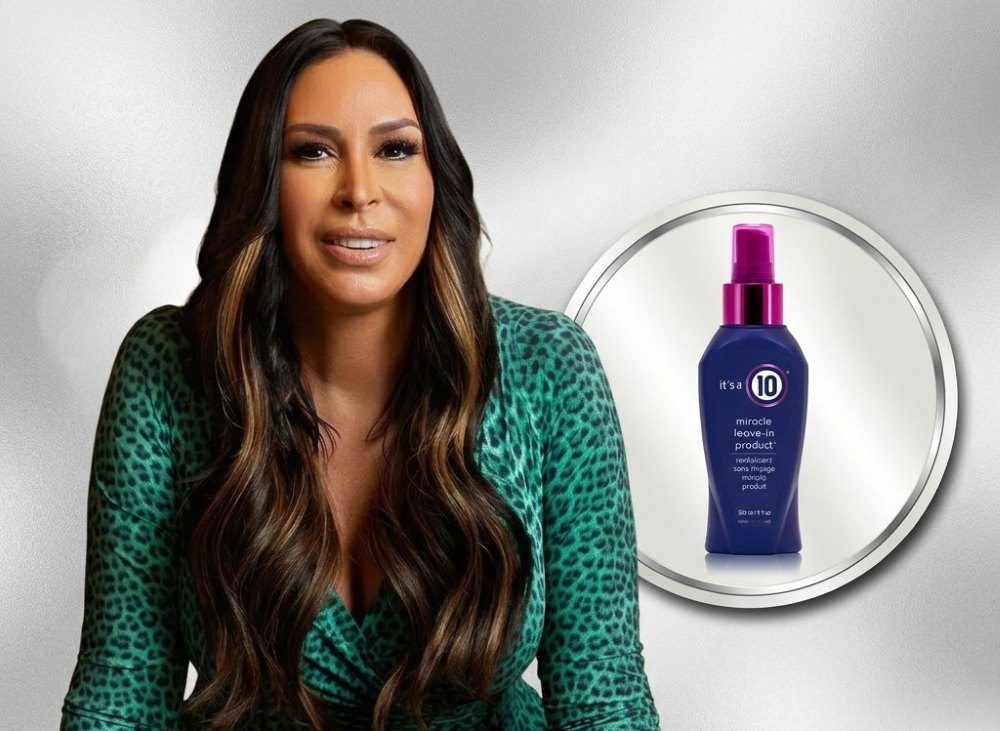
Carolyn Aronson turned her experience as a hairstylist into It’s a 10, a globally recognized haircare brand. Her journey offers a compelling lesson in entrepreneurship, product development and building a business on your own terms.
Some entrepreneurs discover a business opportunity through market research. Others recognize one because they have spent years working directly with customers and understand, firsthand, what is missing.
Carolyn Aronson's story falls into the second category.
Long before her name became associated with one of the beauty industry's recognizable haircare brands, Aronson was working as a hairstylist, spending her days behind the salon chair and helping clients find products that worked for their hair. Over time, she became increasingly frustrated with an industry filled with products designed to address individual concerns. Customers often needed several different bottles to achieve the results they wanted.
She believed there was a better approach.
That observation eventually became the foundation for It’s a 10 Haircare, a company that started with a single product and approximately $80,000 in capital. Two decades later, the privately owned business reportedly generates approximately $500 million in annual sales, with products distributed through professional salons and major retailers around the world.
It is an extraordinary transformation, but the most interesting part of the story is not simply the size of the business. It is how Aronson built it, the setbacks she encountered along the way, and the decisions that allowed her to grow the company while maintaining control of its direction.
An Idea That Came From Years of Working With Customers
Aronson's career in the beauty industry began when she was young. She worked her way through the profession, eventually becoming a salon owner and gaining more than two decades of experience before launching It’s a 10.
That experience gave her something that can be difficult for entrepreneurs to acquire through conventional market research: direct, repeated exposure to customers and their frustrations.
She understood that people wanted beautiful, manageable hair, but she also recognized how complicated the process of achieving those results could become. Different products addressed different concerns, and consumers were often left trying to determine which combinations would work best.
Rather than accepting that as the industry's standard approach, Aronson began thinking about a product that could do more.
Her vision was a haircare line that would deliver multiple benefits in one bottle while maintaining the quality and performance expected from professional salon products.
It was a relatively simple concept, but simplicity can be a powerful advantage in business. Customers understand a product more easily when its purpose and benefits are clear.
There was, however, another obstacle. It was not Aronson's first attempt at building a haircare company.
An earlier venture, LINQ Haircare, had failed, costing her much of what she had invested. For many aspiring entrepreneurs, that experience might have been enough to discourage another attempt. Aronson instead decided to start again, using what she had learned from the earlier business.
In 2006, she partnered with Scott Scharg to launch It’s a 10 Haircare. The two reportedly contributed $40,000 each, giving the new company approximately $80,000 in starting capital.
It was a modest amount for an ambitious plan, and the business was initially operated out of Aronson's home, with inventory stored in her garage.
The company was not launched with the infrastructure, financial resources, or marketing budgets typically associated with major beauty brands. It had something else: a clear product concept and a founder who understood the market she was trying to serve.
One Product Became the Foundation of a Brand
The company's first major product was Miracle Leave-In, a leave-in conditioner designed around the idea of delivering ten benefits in one bottle.
The product was intended to help detangle hair, reduce frizz, improve manageability, add shine, and provide several other conditioning and styling benefits. Its positioning was straightforward, and its name reinforced the promise.
For consumers, the appeal was easy to understand. Instead of purchasing several products to address different haircare needs, they could try one product designed to do more.
But the product's early growth was also tied to an important business decision: building relationships with professional hairstylists.
Aronson understood the influence stylists had on purchasing decisions. Customers regularly asked their hairstylists for recommendations, and professionals had the opportunity to demonstrate products and explain why they worked.
Rather than relying exclusively on traditional advertising, It’s a 10 developed a presence in professional salons. Stylists introduced Miracle Leave-In to their clients, helping the product gain recognition through recommendations and firsthand experience.
That approach gave the brand credibility in a competitive marketplace. It also created a distribution channel that connected the company directly with the people most likely to appreciate its products.
The strategy worked. Miracle Leave In became the company's signature product and helped establish the It’s a 10 name among both professional stylists and consumers.
Today, the product reportedly sells more than 10 million bottles annually. What began as a single product venture has become the foundation for a much broader haircare business.
Growing Without Giving Away the Company
One of the more interesting aspects of Aronson's journey is how she financed the company's expansion.
Many startups pursue venture capital or private equity investment to accelerate growth. Outside capital can provide the resources needed to expand distribution, hire employees, develop products, and reach new markets. This also, generally, involves sharing ownership and decision making authority.
Aronson chose a different route. From the beginning, she focused on growing the company through its own revenue, reinvesting money back into the business as new opportunities emerged. Rather than pursuing rapid expansion at any cost, she emphasized building the company steadily and maintaining control.
In a 2026 interview with Retail Brew, Aronson discussed the importance of reinvesting in the business and developing the company without venture capital or outside investors.
That approach did not mean growth was easy. It required discipline, careful financial management, and a willingness to make difficult decisions about where the company should invest its resources.
In January 2017, Aronson bought out her business partner and became the sole owner of It’s a 10. She financed the transaction and spent the following years paying down the resulting debt.
It was a significant turning point. She had moved from building the company with a partner to assuming full responsibility for its future.
The decision also reflected something important about her entrepreneurial philosophy: she wanted to build the business according to her own vision, even if doing so required taking on additional financial risk.
For other business owners, the lesson is worth considering. Outside investment is not necessarily the right answer for every company. The appropriate financing strategy depends on the founder's objectives, the business model, the opportunities available and how much control the owner is willing to share.
From Professional Salons to a Global Retail Brand
As the company's reputation grew, Aronson recognized that professional salons alone would not define the brand's long term potential.
The next opportunity was reaching consumers through larger retail channels.
It’s a 10 expanded its distribution into major retailers, including Ulta Beauty, Target, Sally Beauty and CVS. This allowed the company to reach customers who might not regularly visit a professional salon but were familiar with the brand or interested in trying its products.
The expansion represented an important shift in the company's business model. It was no longer simply a professional haircare product recommended by stylists. It was becoming a consumer brand with a presence across multiple retail channels.
According to Retail Brew's May 2026 interview with Aronson, the company's products were then available through approximately 40,000 retailers and salons in 140 countries.
That kind of distribution does not happen overnight. It requires a company to develop relationships with retailers, manage inventory, maintain product quality, support marketing efforts, and deliver consistently as demand increases.
It also requires recognizing that the skills needed to launch a product are not necessarily the same skills needed to operate a large company.
As It’s a 10 expanded, Aronson had to think beyond product development and customer relationships. Distribution, marketing, operations, financial management, and brand strategy became increasingly important to the company's success.
The Power of a Recognizable Brand
A successful product can create an initial customer base, but building a lasting business requires more than having something people like.
The company also needs a brand that customers recognize, remember, and trust.
It’s a 10 had a natural advantage in that regard. The name was memorable, its central product concept was easy to communicate, and its ten benefits in one positioning gave consumers a simple reason to understand what the company offered.
Over time, the company expanded its product assortment to include additional conditioners, shampoos, treatments, styling products, and specialized collections.
It also began developing and expanding other haircare brands, creating a broader business rather than relying exclusively on the original It’s a 10 product line.
The company has demonstrated that it understands the importance of marketing beyond traditional advertising, too. Campaigns have included major promotional events, product sampling, celebrity partnerships and high profile advertising.
In 2017, It’s a 10 became the first independently owned haircare brand to run a national Super Bowl commercial. The decision gave the company exposure on a scale that would have been difficult to achieve through conventional salon marketing alone.
The move was bold for a business that had started with a relatively small investment just eleven years earlier.
A New Generation of Customers and a New Chapter
Reaching a certain level of success does not mean a company can stop evolving.
Consumer preferences change, competitors introduce new products and established brands must continually find ways to remain relevant. Aronson appears to recognize that the next stage of growth will require a fresh approach to how It’s a 10 presents itself to consumers.
In 2026, as the company celebrated its twentieth anniversary, they announced a comprehensive rebranding initiative. The effort includes updated packaging, a refreshed visual identity and a broader strategy to connect with a younger generation of customers.
One of the most notable elements is the company's partnership with Khloé Kardashian, who became its first global brand ambassador.
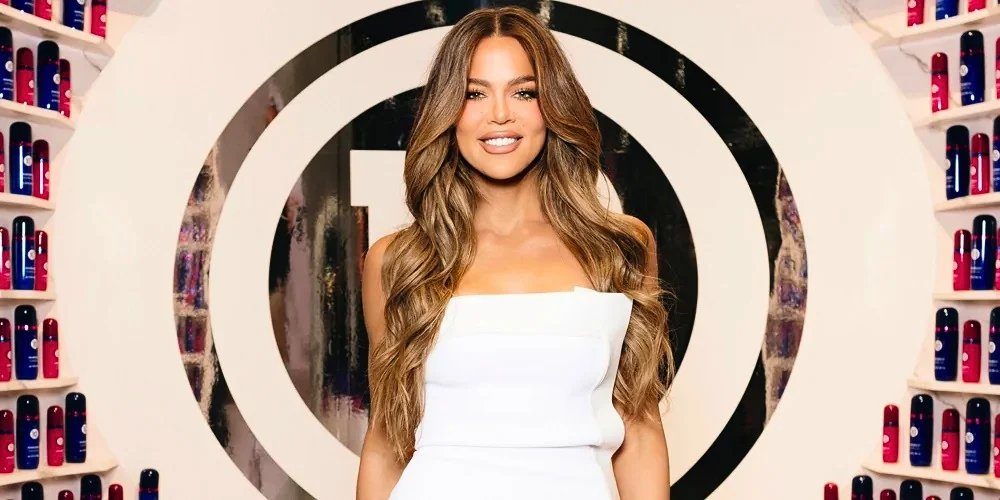
The partnership is particularly interesting because the company is not abandoning the product identity that made it successful. Instead, it is updating the way the brand communicates with consumers while retaining the formulas and products that built its reputation.
That distinction is important. Rebranding is not necessarily about changing everything. Sometimes it is about presenting an established product in a way that resonates with a new audience without alienating the customers who helped build the business.
For a company with two decades of history, that balance can be challenging.
Aronson has also indicated that she sees considerable opportunity in expanding the company's broader portfolio of haircare businesses, with ambitions that extend well beyond its original signature product.
What Other Business Owners Can Learn From Her Journey
There are several important lessons in the growth of It’s a 10, and they extend well beyond the beauty industry.
Know your customers before trying to sell to them. Aronson's original insight came from years of working directly with clients. She understood their frustrations because she encountered them every day. Businesses often spend considerable money trying to understand their customers, yet some of the most valuable opportunities are visible to people already working in the industry.
Start with a product that solves a recognizable problem. It’s a 10 did not begin with a massive product catalog. It began with Miracle Leave In and a clear value proposition. The company established a following around one product before expanding into additional categories. A focused offering can make it easier for a new business to establish its identity and earn customer trust.
Use existing relationships to build momentum. Professional hairstylists helped introduce the product to consumers. Their recommendations created credibility and helped the company reach customers without depending entirely on large advertising expenditures. Businesses in other industries can apply the same principle by developing relationships with customers, professional networks, referral partners, and complementary businesses.
Be thoughtful about how you finance growth. Aronson's decision to reinvest revenue rather than pursue venture capital demonstrates that there is more than one way to build a substantial business. Outside investment can be valuable, but business owners should understand the trade offs involving ownership, control, debt, and long term objectives.
Recognize that success requires reinvention. The strategies that helped It’s a 10 become established are not necessarily the same strategies that will sustain its growth for another twenty years. The rebranding and celebrity partnership demonstrate the importance of adapting to changing consumer expectations while protecting the qualities that made the company successful.
A South Florida Entrepreneurial Success Story
It’s a 10 is now a global haircare brand, but its story is rooted in the experience of an entrepreneur who spent years working directly with customers and recognized an opportunity to do something better.
Carolyn Aronson did not begin with a major corporation behind her, an extensive product line, or a large marketing budget. She began with industry experience, an idea, a business partner and a relatively small amount of capital.
She also experienced failure before finding success. Her earlier business venture did not work out, but she used that experience as a foundation for another attempt. That second venture eventually became a company with a worldwide presence and reported annual sales of approximately half a billion dollars.
Although the company's products are now sold internationally, the growth reflects the determination of a founder who built a business and developed it into a recognized name in the global beauty industry.
Perhaps the most important takeaway is that successful businesses do not always begin with revolutionary ideas or enormous financial resources. Sometimes they begin with a person who understands an industry, recognizes a problem that needs solving and has the determination to keep working until an idea becomes something much bigger.
For Carolyn Aronson, that journey began behind the salon chair. Twenty years later, It’s a 10 has become a remarkable example of what can happen when professional experience meets entrepreneurial ambition.